


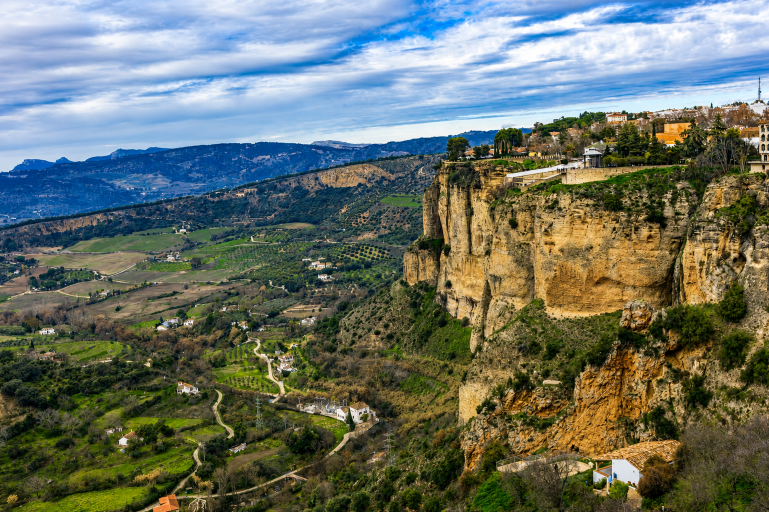
The Serrania de Ronda represents one of Andalusia's most compelling yet overlooked property markets. This mountainous region stretches across the provinces of Málaga and Cádiz, offering buyers something increasingly rare: authentic Spanish village life combined with exceptional natural beauty and genuine value for money.
Unlike the coastal developments that dominate much of southern Spain's property landscape, the Serrania de Ronda has retained its traditional character. White villages cling to hillsides, ancient olive groves terrace the valleys, and the pace of life follows rhythms established centuries ago. For buyers seeking substance over superficiality, this matters.
Exceptional Value in Today's Market
Property prices in the Serrania de Ronda remain remarkably affordable compared to coastal Andalusia. Village houses that would cost half a million euros in Marbella or Estepona can be found here for under €150,000. Cortijos with land, mountain views, and complete privacy start around €200,000—figures that seem almost anachronistic in today's inflated property market.
This pricing disparity doesn't reflect lower quality or undesirable locations. Rather, it reflects the region's deliberate distance from mass tourism and speculative development. The result is a market driven by genuine residents rather than short-term investors, which creates stability and authenticity.
Renovation projects offer particular appeal. Many village properties retain original features—exposed beams, terracotta floors, stone walls—that buyers pay premium prices to replicate elsewhere. Here, they're simply part of the building's honest history.
Access to Unspoiled Nature
The Serrania de Ronda sits within one of Spain's most biodiverse regions. The Sierra de Grazalema Natural Park to the west receives the highest rainfall in Spain, creating lush forests of Spanish fir found nowhere else on earth. To the south, the Los Alcornocales Natural Park protects Europe's largest cork oak forest.
This isn't nature as tourist attraction—it's nature as daily reality. Properties here open directly onto walking trails, mountain streams, and forests where Iberian ibex still roam. The practical implications matter: clean air, genuine quiet, dark skies unmarred by light pollution, and the kind of peace that genuinely restores rather than merely entertains.
The Guadiaro River runs through much of the region, creating opportunities for riverside living that are increasingly rare in developed Europe. Swimming holes, fishing spots, and shaded picnic areas become part of the everyday landscape rather than weekend destinations requiring travel.
Authentic Village Communities
The white villages scattered throughout the Serrania de Ronda—places like Benalauría, Benadalid, and Jimera de Líbar—maintain functioning communities rather than serving as holiday backdrops. Locals still outnumber second-home owners. Shops sell necessities rather than souvenirs. Bars fill with residents discussing local matters over coffee, not tourists consulting guidebooks.
This creates practical advantages for property buyers. Tradespeople are available and affordable. Local knowledge gets shared freely. Integration into community life happens organically for those willing to engage respectfully. The infrastructure of daily life—medical centres, schools, sports facilities—exists because real families live here year-round.
Spanish remains the primary language in most villages, which some buyers initially see as a barrier. In practice, it becomes an asset. Those who make even basic efforts with the language find themselves welcomed and included in ways impossible in more anglicised areas.
Proximity Without Proximity's Downsides
The Serrania de Ronda achieves a rare balance: genuine remoteness with reasonable access to urban amenities. Ronda itself, the region's historic capital, provides comprehensive services, cultural offerings, and transport links including a direct train to Málaga. The journey takes roughly two hours, making coastal airports and cities accessible without requiring proximity to their noise and congestion.
Málaga Airport sits approximately 90 minutes from most Serrania villages—far enough to avoid flight paths and tourist traffic, close enough for practical international connections. Gibraltar Airport offers an alternative, particularly useful for UK connections, at similar distances.
This positioning suits buyers seeking permanent relocation rather than holiday homes. You're close enough to civilisation to avoid feeling isolated, distant enough to experience genuine rural tranquility. Medical specialists, international schools, and major shopping remain accessible when needed, but they don't dominate the daily landscape.
Climate That Actually Varies
The Serrania de Ronda experiences proper seasons—something often overlooked by buyers focused solely on sunshine hours. Summer brings heat, but the altitude moderates it. Temperatures rarely reach the oppressive levels common on the coast. Winter brings cold, occasionally even snow on higher peaks, along with the rainfall that keeps the landscape green.
This variation matters more than many buyers initially realise. It enables traditional agriculture, supports diverse ecosystems, and creates the kind of landscape changes that mark time's passage in meaningful ways. Properties require heating systems and proper insulation, but in return you get spring wildflowers, autumn colours, and summer evenings cool enough to sleep without air conditioning.
Growing Infrastructure and Services
While the Serrania de Ronda deliberately resists overdevelopment, infrastructure continues improving. Fibre-optic internet reaches even small villages, enabling remote work opportunities that make permanent relocation viable for many buyers. Roads undergo steady maintenance and improvement, with major routes now meeting modern standards.
Healthcare access has expanded significantly. Ronda's hospital provides comprehensive services, while village health centres handle routine care competently. Private health insurance remains affordable, and many practitioners speak English as the foreign resident population has grown.
The region's restaurant scene has evolved well beyond traditional offerings. While excellent local venues remain—places where a three-course menu del día still costs under €15—newer establishments bring contemporary approaches to regional ingredients. Quality has risen without prices losing touch with local reality.
Investment Perspective
Property investment in the Serrania de Ronda requires different thinking than coastal speculation. Values appreciate slowly but steadily, driven by genuine demand rather than speculative bubbles. Rental yields remain modest, as the region attracts long-term residents and repeat visitors rather than short-stay tourists.
The real return comes through lifestyle value and cost of living. Property taxes, utility bills, and daily expenses run dramatically lower than coastal equivalents. A comfortable life on a modest income becomes genuinely achievable—something increasingly rare in Western Europe.
Long-term demographic trends favour the region. Remote work capabilities, climate concerns, and overcrowding on the coast are driving buyers toward exactly what the Serrania de Ronda offers: authentic location, environmental quality, and community substance. Those who buy property in the Serrania de Ronda now are positioning themselves ahead of this gradual but persistent shift.
The region won't suit everyone. Those seeking international schools, designer shopping, or vibrant nightlife will find better options elsewhere. But for buyers prioritising authenticity, value, natural beauty, and genuine integration into Spanish life, few areas in Andalusia offer comparable opportunities. The Serrania de Ronda remains what much of southern Spain once was—and what an increasing number of buyers are seeking again.


